Coworking
Indian Offices vs European Offices: The World Has to Learn from India
Shyam Sundar Nagarajan / Reading Time : 4 mins
What Made European Offices Stand Out
The Hindustan Times piece highlighted what struck an Indian visitor in Sweden — no cubicles, open collaborative layouts, free snacks, massage chairs, a strong culture of trust, flat hierarchies, and an almost instinctive prioritization of employee comfort. These weren't perks; they were baseline expectations baked into the culture.
Swedish workplaces score significantly lower on power distance — meaning employees feel empowered to express their thoughts freely, managers don't demand weekend work without compensation, and personal time is protected as much as work time. The physical design was a reflection of that cultural DNA.
Traditional Indian offices, by contrast, were often defined by assigned cubicles, hierarchical seating arrangements (corner offices for seniors), long hours as a badge of honour, and amenities that were functional at best — a pantry with instant coffee and maybe a water cooler. Employee wellbeing was rarely a design brief.
Where Indian Offices Are Now
The coworking catalyst: Bengaluru's flexible workspace market alone grew by 25% in 2024, with large IT companies and startups alike adopting flexible office solutions. Co-working spaces now offer wellness zones, social areas, and collaborative environments that enhance the overall employee experience.
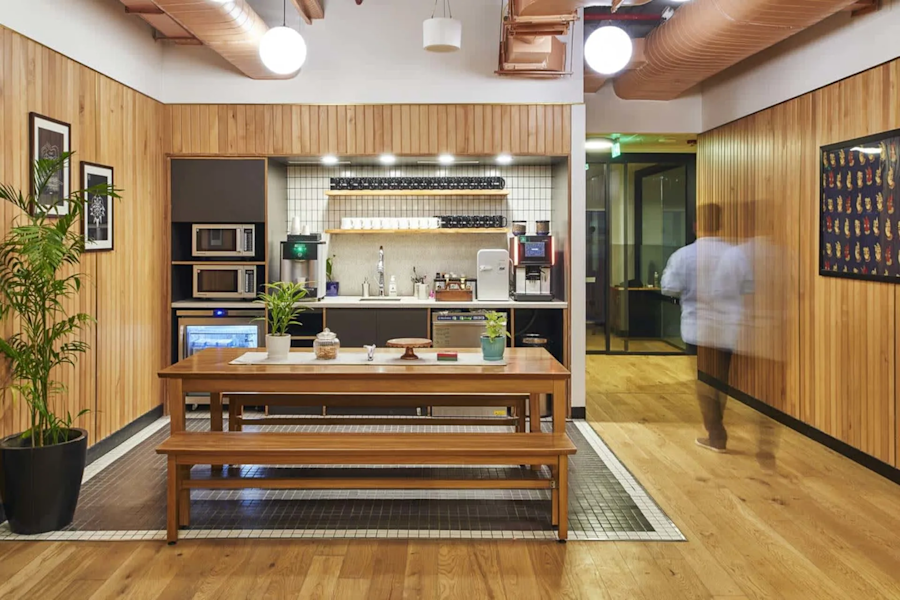
Amenity arms race: Café-style breakout areas with barista coffee, healthy snack bars, and comfortable lounge spaces are now being paired with on-site fitness centres, yoga studios, nap pods, and dedicated relaxation zones - reflecting a growing focus on holistic employee health. What was a European differentiator is becoming an Indian standard.
Design philosophy shift: The shift away from numerous cubicles toward open floor plans is facilitating fully equipped cafeterias, casual seating areas, agile workspaces with comfortable booths, and even stand-up desks with integrated treadmills.
Sustainability leadership: India now leads globally with more than 1.8 billion square feet of green buildings — accounting for 15–16% of total building stock — and 52% of new office developments in cities like Bengaluru, Delhi NCR, and Mumbai were built with sustainability standards in mind in 2024. That's not a laggard; that's a frontrunner.
The Managed Office Effect
The managed and coworking model is what makes India's transformation truly democratic. A 20-person startup in Pune or Hyderabad can now offer its team sleeping pods, gourmet coffee, and a recreation zone without the capital expenditure of building it themselves. Smaller companies are no longer left out of the experience economy.
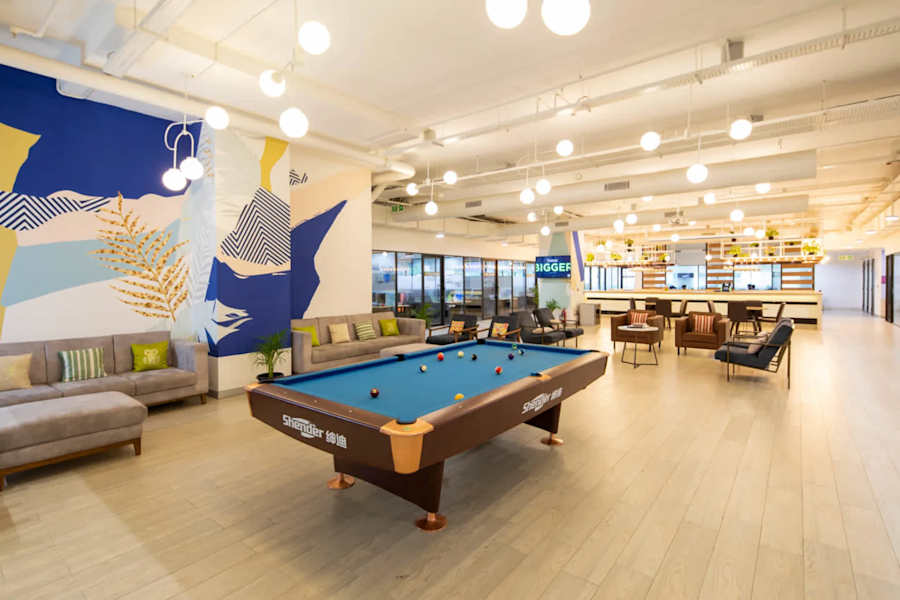
The most successful office redesigns now involve consulting HR teams to ensure workplaces serve as cultural amplifiers - an architectural expression of organisational values, not just operationally efficient spaces. That thinking is deeply embedded in how India's managed office operators approach their briefs today. Nine out of ten client conversations centering on employee engagement and wellbeing isn't a trend — it's a structural, permanent shift in how Indian businesses think about their people.
Design Is Cyclical - And India Is Now Ahead of the Cycle
Every five years or so, a design philosophy moves from novel to mainstream. Open plan replaced cubicles. Activity-based working replaced open plan. Now, traditional open plans are giving way to "activity neighbourhoods" — clusters of spaces designed for deep focus, ideation, social connection, and presentation. Indian offices are adopting this simultaneously with — not after — the West.
The current 2024–2025 period represents a peak in flexible layouts, integrated technology, and wellbeing-first design globally. India is not riding that wave. India is helping shape it.
The Bottom Line
A decade ago, the gap between a Stockholm office and a Mumbai office was real and visible. Today, with gross office leasing in India hitting 89 million square feet in 2024 — a 19% year-on-year increase — the investment in quality, experience, and design intelligence has reached a point where the comparison has flipped.
Having seen offices across seven countries over my career, I can say this with conviction: Indian offices are no longer looking West for inspiration. The design thinking, the employee-first philosophy, the sheer ambition of what is being built — the world now has reason to look at India.